

The United States economy is currently experiencing a complex interplay of factors influencing its trajectory. Key areas of focus include inflation rates, employment statistics, and trade policies.
Inflation Trends
Inflation has been a significant concern, with recent data indicating a slowdown. The consumer price index increased by 2.8% in February compared to the previous year, a decrease from the 3% rise observed in January. Core prices, which exclude volatile food and energy categories, rose by 3.1% over the same period, marking the lowest increase since April 2021. This deceleration suggests a potential easing of inflationary pressures.
Employment Landscape
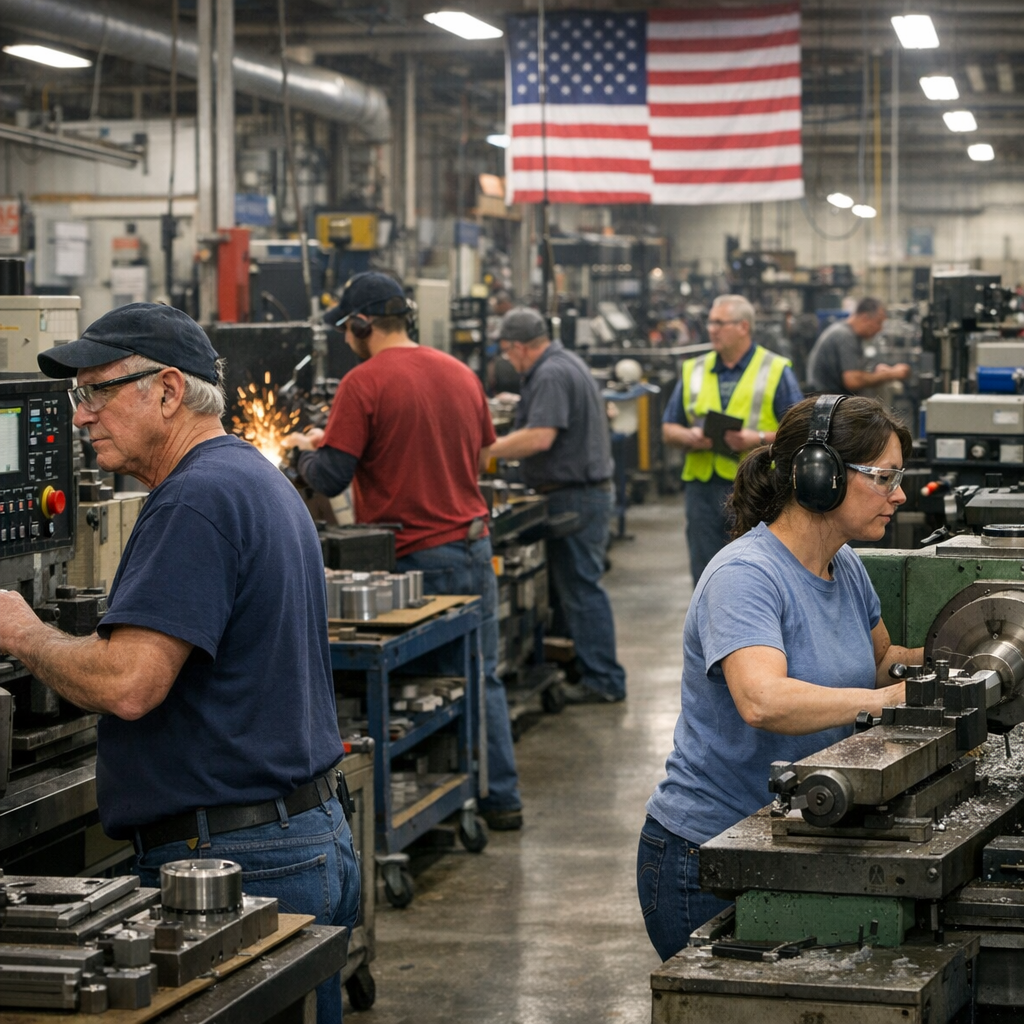
The labor market has shown signs of stagnation. Recent reports indicate a decline in manufacturing jobs, with 37,000 positions lost since the implementation of new tariffs in April. Additionally, net hiring has decreased over the past three months, with job gains averaging 73,000 in July, 14,000 in June, and 19,000 in May. These figures are notably lower than the average monthly addition of 168,000 jobs observed last year, indicating a potential slowdown in employment growth.
Trade Policies and Economic Impact
Trade policies, particularly the implementation of tariffs, have introduced uncertainty into the economic landscape. The administration’s aggressive use of tariffs and changes to the tax code carry significant political and economic risks. The full impact of these policies is expected to materialize in the coming months, potentially influencing various sectors of the economy.
In summary, the U.S. economy is navigating a period of mixed signals. While there are indications of easing inflation, challenges persist in the labor market and trade policies. Staying informed about these developments is crucial for understanding the broader economic context.